Most people don't have a clothing problem.
They have a visibility problem.
You own more clothes than you think. You simply can't see them all at once.
A digital wardrobe changes that.
What Is a Digital Wardrobe?
A digital wardrobe is exactly what it sounds like:
A digital version of the clothes you already own.
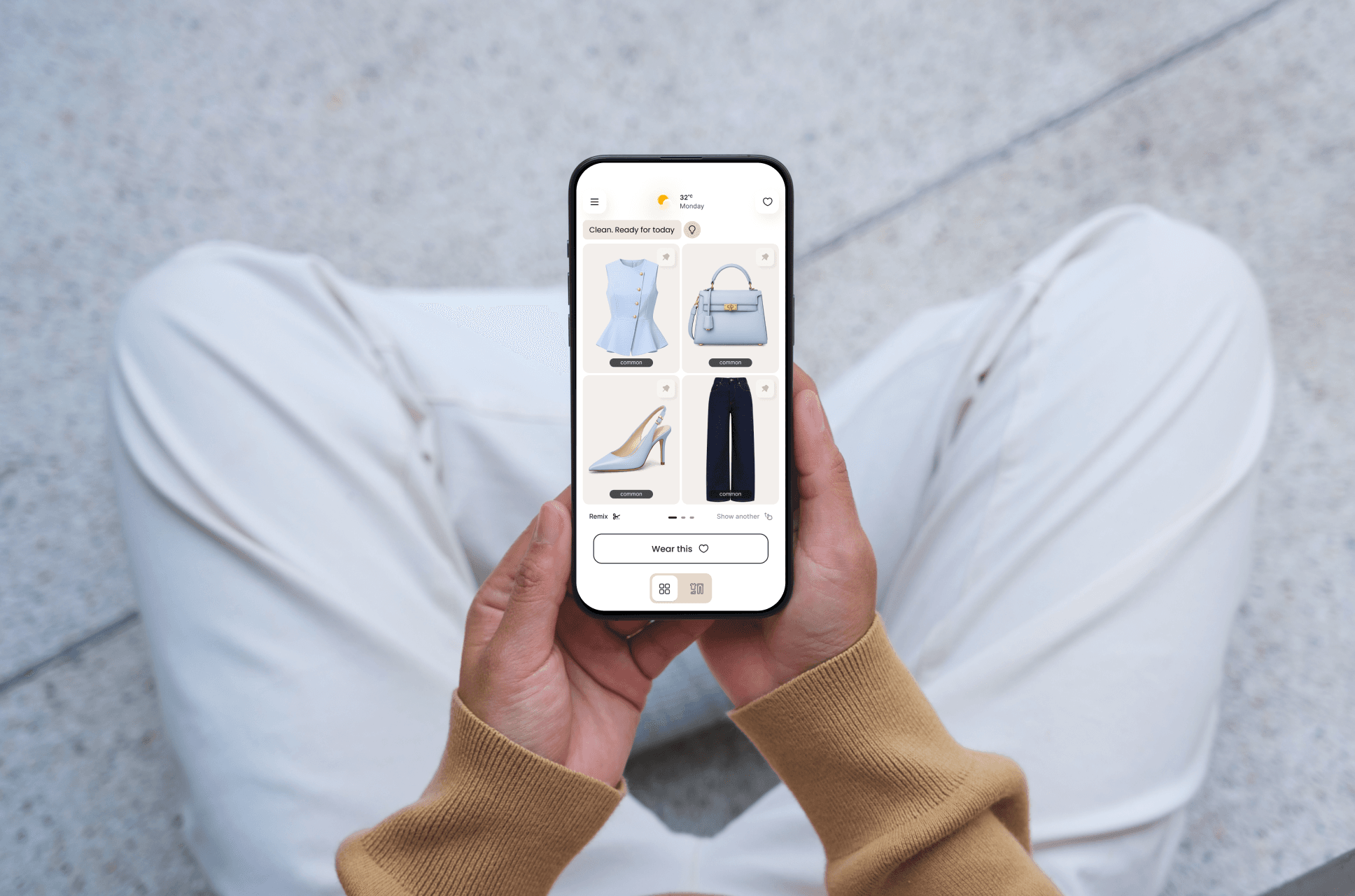
Instead of digging through hangers, drawers, and laundry baskets, your clothes live inside an app where they can be searched, filtered, and combined into outfits.
Think of it as Google Photos for your closet.
You can browse your shirts, jackets, shoes, and trousers in seconds.
No more:
- "Do I already own something similar?"
- "Where is that navy sweater?"
- "What did I wear with these pants last time?"
Modern wardrobe apps use AI to recognize clothing categories, colors, occasions, and seasons automatically after you upload a photo.

Why Do People Feel Like They Have Nothing To Wear?
Because our brains aren't good at searching wardrobes.
Most people only wear a small portion of their clothes regularly.
The rest slowly become invisible.
Researchers and wardrobe apps consistently find that people tend to repeat familiar combinations while forgetting many items they already own.
That's why standing in front of a full closet can still feel like standing in front of nothing.
The problem isn't quantity.
It's retrieval.
How AI Closet Apps Help
The first generation of wardrobe apps acted like inventory systems.
You uploaded clothes.
You organized them.
That was it.
The new generation is different.
AI can now help with:
- Outfit suggestions
- Weather-based recommendations
- Travel packing lists
- Cost-per-wear tracking
- Shopping duplicate detection
- Personal style analysis
Some apps even evaluate color harmony and outfit combinations automatically.
A Closet App Isn't About Buying More
This is where many people misunderstand digital wardrobes.
The goal isn't shopping.
The goal is using what you already own better.
When people can actually see everything they own, they often discover:
- forgotten favorites
- duplicate purchases
- expensive pieces that rarely get worn
- missing basics that would unlock many outfits
Several digital wardrobe platforms now include cost-per-wear tracking specifically to encourage more intentional shopping habits.
Buying less often but wearing clothes more times is one of the easiest ways to make fashion more sustainable.
Where Macgie Fits In
Macgie wasn't built for fashion influencers.
It was built for normal mornings.
The moments when you ask:
- What should I wear today?
- Does this work for the weather?
- Have I worn this recently?
- Can I pack lighter for this trip?
- Do I actually need to buy another black shirt?
Macgie helps turn your wardrobe into a decision engine instead of a storage space.
Less searching.
Less guessing.
Less unnecessary shopping.
More outfits from the clothes you already love.
Final Thought
The future of fashion may not be buying smarter clothes.
It may simply be knowing your own closet better.
Because sometimes the best outfit isn't in a store.
It's already hanging in your wardrobe.