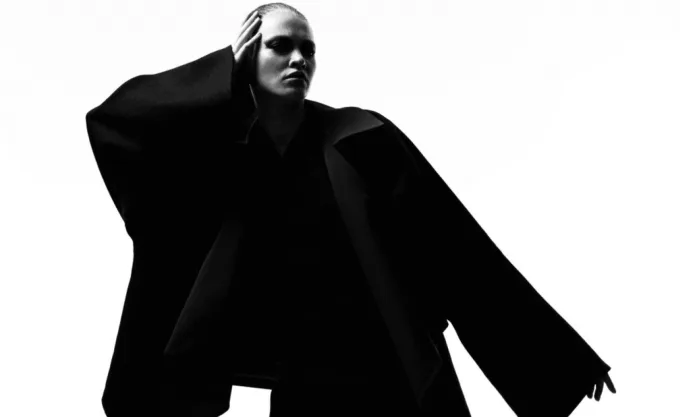
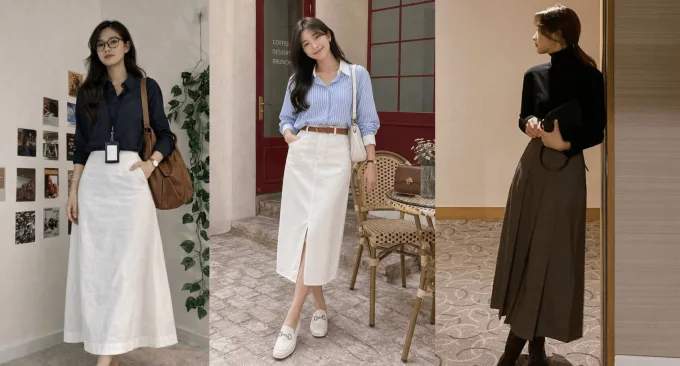
An Outfit Is More Than Individual Pieces
Imagine listening to a band. Every musician is talented, but if everyone plays at the same volume, the music becomes noise. Outfits work the same way. A great jacket, nice jeans, clean sneakers, and a quality watch don't automatically create a great look. They need balance.
Mistake #1: Everything Is Oversized
Oversized clothing is comfortable and fashionable.
But wearing an oversized T-shirt, oversized pants, and chunky sneakers together can make your body disappear.
Instead, balance volume.
For example:
- Oversized shirt + straight-leg jeans
- Relaxed trousers + fitted T-shirt
- Loose jacket + slim pants
When one piece is larger, let another piece create structure.
Mistake #2: Too Many Statement Pieces
A bold jacket. Bright sneakers. Patterned pants. A colorful cap. A large necklace. Each item attracts attention. Together, they compete with each other. Your eyes don't know where to look. A stronger outfit usually has one focal point. Everything else supports it.

Mistake #3: Ignoring Visual Weight
Not every piece of clothing feels equally “heavy.” Chunky boots feel heavier than loafers. A thick knit sweater feels heavier than a linen shirt. Dark colors usually feel heavier than light colors. Large patterns feel heavier than solid colors. If all the visual weight sits at the top or bottom, the outfit can feel unbalanced.
Think of your outfit as a scale. It doesn't have to be perfectly even—but it shouldn't tip too far in one direction.
Mistake #4: Mixing Too Many Textures
Texture adds interest.
Leather.
Denim.
Linen.
Wool.
Corduroy.
They're all beautiful together—up to a point. Too many competing textures can make an outfit feel busy. A simple rule: Choose one texture as the star and let the others play supporting roles.
Mistake #5: No Clear Color Direction
Color doesn't need to match perfectly. But it should feel connected.
A simple approach is the three-color rule:
- One dominant color
- One secondary color
- One accent color
For example:
- Navy trousers
- White shirt
- Brown shoes
Or:
- Black jeans
- Gray sweater
- White sneakers
Limiting your palette often makes an outfit look more refined.
The Mirror Test
Before leaving home, stand in front of a mirror and ask yourself:
- Where do my eyes go first?
- Is there one clear focal point?
- Does one area feel much heavier than the rest?
- Is anything distracting from the overall look?
If something feels "off," remove one item before adding another. In styling, subtraction is often more powerful than addition.
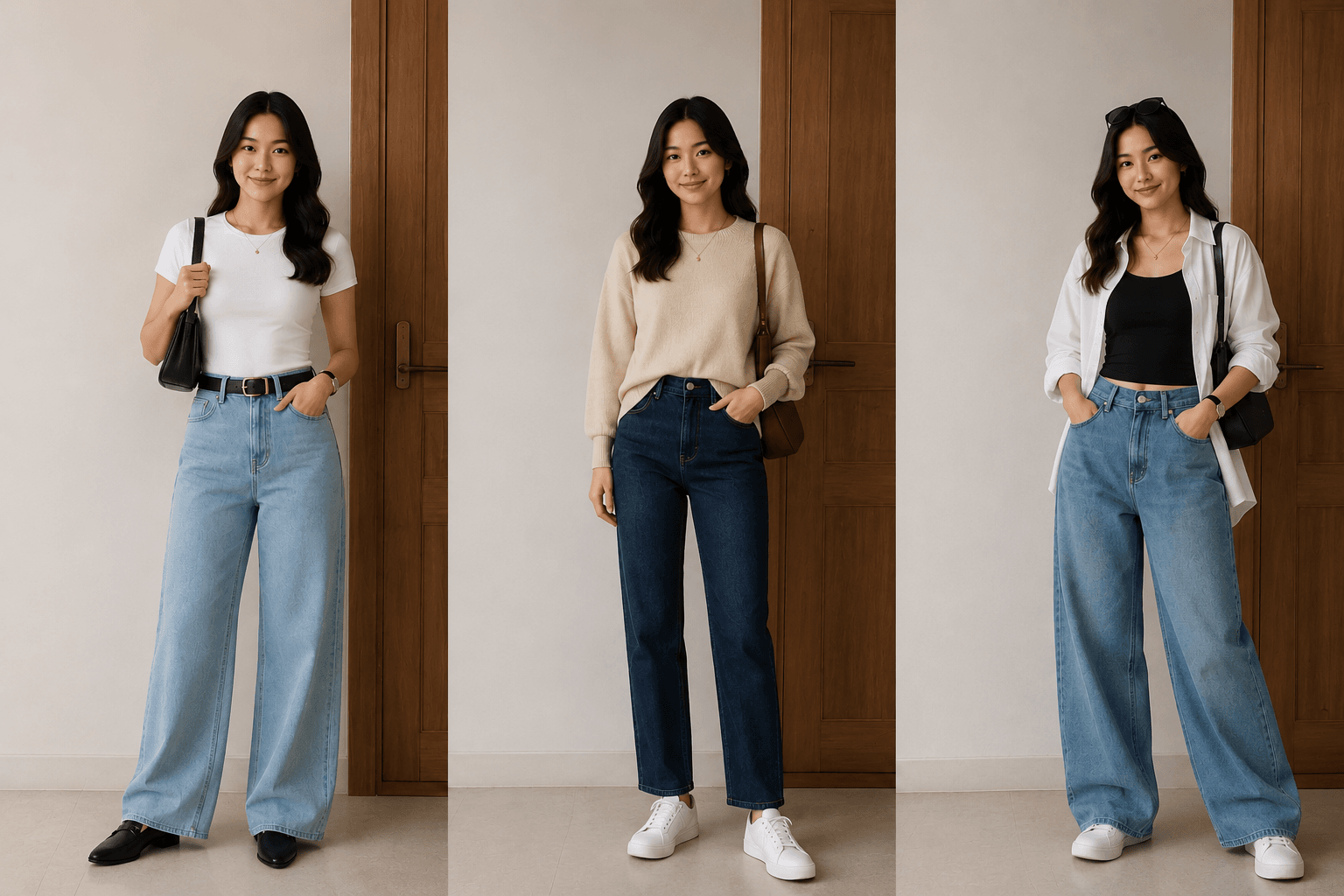
Great Style Is Usually Simple
The most memorable outfits rarely include the most clothes. They're built on balance. The goal isn't to wear expensive brands or follow every trend. It's to make each piece work together.
When every item has a purpose, your outfit feels effortless—even if it's made from simple basics.
Key Takeaways
- Great outfits are about balance, not quantity.
- Avoid wearing oversized pieces from head to toe.
- Let one statement piece be the focus.
- Balance visual weight across your outfit.
- Keep textures and colors intentional.
- When in doubt, simplify.