Many people believe the solution to looking better is buying more clothes.
A new jacket. Another pair of sneakers. One more shirt in a slightly different shade of blue.
But the truth is often much simpler:
You probably don't need more clothes. You need better silhouettes.
Why Some Outfits Look Expensive — Even When They're Not
When we look at someone stylish from across the street, we don't notice the fabric first.
We notice the shape.
Our brains process proportions, volume, and overall form before color, texture, or details. Fashion designers call this the silhouette — the shape your outfit creates as a whole.
A great silhouette can make a basic white t-shirt and jeans look intentional and modern.
A poor silhouette can make expensive designer pieces feel awkward and outdated.
What Exactly Is a Silhouette?
A silhouette is the visual outline of your outfit.
Think about these combinations:
- Slim shirt + skinny jeans
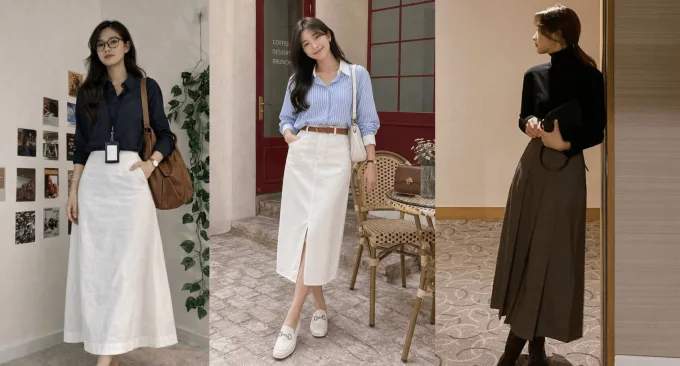
- Relaxed shirt + straight-leg trousers
- Oversized jacket + tailored pants
- Cropped top + high-waisted bottoms
Each creates a completely different impression despite using simple pieces.
The silhouette tells people whether your style feels:
- Sharp and professional
- Relaxed and effortless
- Creative and expressive
- Minimal and refined
The Biggest Mistake: Shopping Instead of Shaping
Many wardrobes fail not because they lack options but because every item belongs to a different visual language.
A slim-fit shirt. Wide cargo pants. Bulky sneakers. A cropped jacket.
Individually they may be great pieces.
Together they fight each other.
Instead of asking:
"What should I buy next?"
Try asking:
"What silhouette am I trying to create?"
Start With Shape, Then Build the Outfit
A simple dressing process looks like this:
1. Define the context
Where are you going?
- Work
- Coffee with friends
- Date night
- Weekend errands
2. Choose the silhouette
Decide the shape first.
Examples:
- Tailored and sharp
- Relaxed and modern
- Classic and timeless
- Fashion-forward and oversized
3. Balance the proportions
This is where style starts to happen.
Common rules include:
- Wide top + straighter pants
- Fitted top + wider pants
- Shorter jacket + higher-rise trousers
4. Add color and texture
Only after the shape works should you think about colors and materials.
A Useful Rule
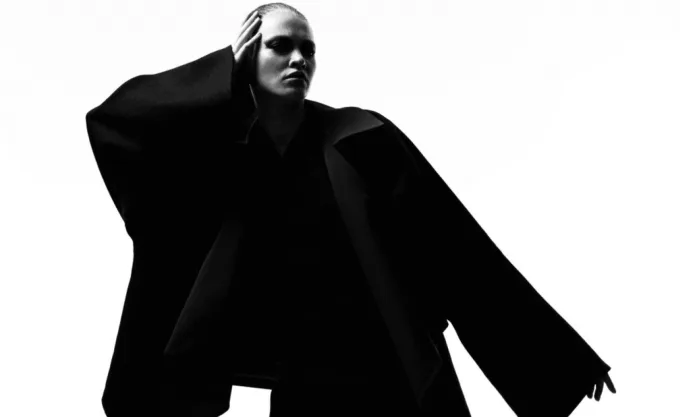
If your outfit still looks good as a black shadow, the silhouette is probably working.
This is why many stylists evaluate outfits from a distance or through mirrors before focusing on details.
The shape should work before the details do.
Build a Wardrobe Around Silhouettes, Not Trends
Trends come and go.
Silhouettes stay longer.
A wardrobe built around a few consistent silhouettes is:
- Easier to mix and match
- More versatile
- More timeless
- Less expensive to maintain
Ironically, buying fewer clothes often makes getting dressed easier.
Because style isn't about having more options.
It's about making better decisions.
Final Thought
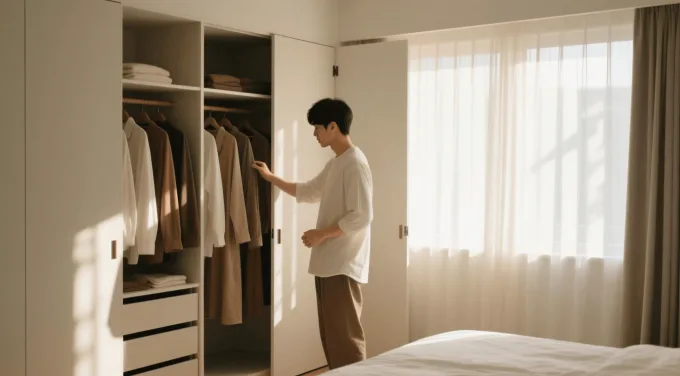
The next time you feel like your wardrobe isn't working, resist the urge to buy something new immediately.
Stand in front of the mirror and ask:
"Is this a clothing problem, or a silhouette problem?"
More often than not, the answer will surprise you.