Want to simplify your wardrobe but don’t know where to start? I’ll walk you through my simple 3-step system to build a capsule wardrobe you love, from choosing the right pieces to creating a collection of easy outfits you’ll actually wear. You’ll also get my favorite minimalist clothing recommendations and a free printable capsule wardrobe checklist to help you stay organized along the way.
Table of Contents
- What is a Capsule Wardrobe?
- Step 1: Choose Your Key Pieces
- Step 2: Create Your Outfits
I’ve spent the better part of nine years building my capsule wardrobe. It’s been a slow, imperfect process with a few questionable purchases along the way (ahem, black leather trousers), but over the years I figured out how to build a capsule that actually feels like me.
This guide is the system I wish I’d had when I started. It skips the mistakes (like starting with a bunch of overly aspirational Pinterest boards and a big closet declutter) and gets you to a wardrobe you’ll love, faster.
First, though, let’s cover some capsule wardrobe basics.
What is a Capsule Wardrobe?
A capsule wardrobe is a thoughtfully curated collection of timeless, versatile clothing that can be easily mixed and matched to create a wide variety of outfits with fewer pieces. A capsule wardrobe saves you time and money, reduces decision fatigue, encourages more intentional and sustainable shopping, and helps you invest in high-quality pieces you’ll wear and enjoy for years to come.
How Many Items Are in a Capsule Wardrobe?
Most capsule wardrobes include around 30–40 versatile pieces, but there’s no right or wrong number. You might need fewer or more, depending on your lifestyle, climate, and laundry routines.
What Does a Capsule Wardrobe Include?
Here’s an example of what a 30- to 40-piece capsule wardrobe might include:
- 8–10 tops: T-shirts, tanks, everyday tops, and blouses
- 3–5 sweaters or cardigans: For layering throughout the seasons
- 5–6 bottoms: Jeans, trousers, leggings, shorts, and skirts
- 2–3 dresses: Casual or dressy, depending on your lifestyle
- 3–4 outer layers: Jackets, coats, and blazers
- 4–5 pairs of shoes: Everyday, casual, dressy, and seasonal options
- 5–7 accessories: Belts, handbags, hats, scarves, simple jewelry set
Keep in mind these are general guidelines, not rules. I’ll walk you through how to choose the right pieces for your lifestyle below.
Step 1: Choose Your Key Pieces
When I built my first capsule wardrobe, I started with a big closet purge and ended up even more overwhelmed than when I started. If I could do it again, I’d put off the closet declutter and focus on what was already working.
Pull the pieces you already wear and love, plus a few you want to wear more, and set aside the rest.
By creating your capsule first, you skip the big, intimidating declutter. You’ll start sooner, gain clarity about what you love and why, and naturally begin to see your personal style take shape.
Think of this like packing for an extended staycation. You’re not trying to plan for every possible scenario. You’re choosing the pieces that make sense for you right now.
How Many Pieces Do You Need?
Most capsule wardrobes land somewhere between 30 and 40 pieces, though you might find you need fewer or more.
Here’s a general range to work from:
- 8–10 tops: Basic tees, tanks, everyday tops, and blouses
- 3–5 sweaters or cardigans: For layering throughout the seasons
- 5–6 bottoms: Jeans, trousers, leggings, shorts, and skirts
- 2–3 dresses: Casual or dressy, depending on your lifestyle
- 3–4 outer layers: Jackets, coats, and blazers
- 4–5 pairs of shoes: Everyday sneakers, casual, dressy, and seasonal options
- 5–7 accessories: Belts, handbags, hats, scarves, a simple jewelry set
A Few Guidelines to Keep in Mind
As you choose your pieces, a few simple guidelines can help:
- Lean toward a neutral palette. Black, navy, gray, brown, camel, taupe, cream, and white are all easy to mix and match. If you love color, pick one or two different colors that look best on you and that you already wear.
- Choose timeless and versatile over trendy. Focus on classic silhouettes and quality pieces that offer real versatility, as well as pieces that hold up over time and mix easily with what you already own.”
- Build for the season you’re in. Ignore off-season pieces for now.
- Don’t get stuck on a number. These ranges are meant to guide you, not limit you.
- Use Pinterest as a guide, not a shopping list. Early on, I’d save outfits I loved and buy pieces to recreate them—without considering whether they truly felt like me or worked with my lifestyle. Now I look for outfit inspiration using what I already own, styled in ways I wouldn’t have thought of myself. If it helps to see an example, here’s the minimalist outfit board I use to build simple outfits from the pieces I already own.
Step 2: Create Your Outfits
Once you’ve chosen your key pieces, it’s time to put them together into outfits you’ll actually wear.
Why This Step Matters
Creating outfits ahead of time means you’re not standing in front of your closet each morning trying to figure out what works. You already know—which makes getting dressed faster and far less stressful.
Aim for 7–10 go-to outfits using the pieces you selected in Step 1. You don’t need to overthink this. Just start combining what you have and see what looks and feels good.
Easy Styling Tips to Make Simple, Stylish Outfits
- Color repetition (aka “color sandwiching”). Repeat a color two or three times in an outfit (like your shoes, bag, sweater, a belt, hat, or scarf), and it instantly looks cohesive.
- Balance your proportions. Pair a fitted piece with something looser (like a slim top with wide-leg trousers), or break up a boxier silhouette with a belt. This gives you and your outfit shape.
- Layer for interest. Aim for 3-5 layers per outfit: A base like a tee, tank or dress, a middle layer like a cardigan, an outer layer like a jacket, and a couple of finishing touches like jewelry, a belt, a bag, sunglasses, or a hat.
- Make a monochrome outfit. Wearing one color head-to-toe (or nearly head-to-toe) is one of the easiest ways to look instantly polished. Don’t worry about things matching exactly—it works with varying shades and textures of the same color. It’s the outfit formula I get the most compliments on, and it takes zero effort to pull off.
- Play with contrast. Mixing dressy and casual pieces can give outfits a cool edge with almost no effort and help you get more wear out of your nicer pieces. For example, pair a satin skirt with an oversized graphic tee, or an oversized blazer with jeans and sneakers.
Snap a Photo of What Works
When you put together an outfit you love, take a quick photo. Keep a folder on your phone so you can revisit your best combinations when you’re tired, rushed, or just not feeling inspired.
Step 3: Live in Your Capsule and Let It Evolve
Commit to Your Capsule for 30–90 Days
Once you’ve chosen your pieces and built some go-to outfits, give yourself time to actually live in them. Give yourself at least 30 days (ideally longer) to really see what’s working—and what’s not.
Treat Your First Capsule as a Rough Draft
Your first capsule won’t be perfect. Think of it as a starting point. As you wear your clothes, you’ll naturally notice what you reach for again and again, what feels off, and what you might want to add or swap out.
Pay Attention to What You Reach For, and What You Don’t
As you live in your capsule, take note of:
- The pieces you wear on repeat. These are your winners. Pay attention to what makes them work (the fit, the color, the fabric), so you know what to look for next time you shop.
- The pieces that always get passed over. Consider what is off about what you’re not wearing. Noticing whether it’s the style, fit, color, or fabric will help you shop smarter next time.
- Any gaps. Note what you kept reaching for and didn’t have. These are the pieces worth adding next.
This feedback is what makes your next capsule better than the last. If you’re noticing gaps, check out my Capsule Wardrobe Basics section for my favorite minimalist wardrobe recommendations.
Capsule Wardrobe Basics
These are a few of my go-to pieces, organized by category.
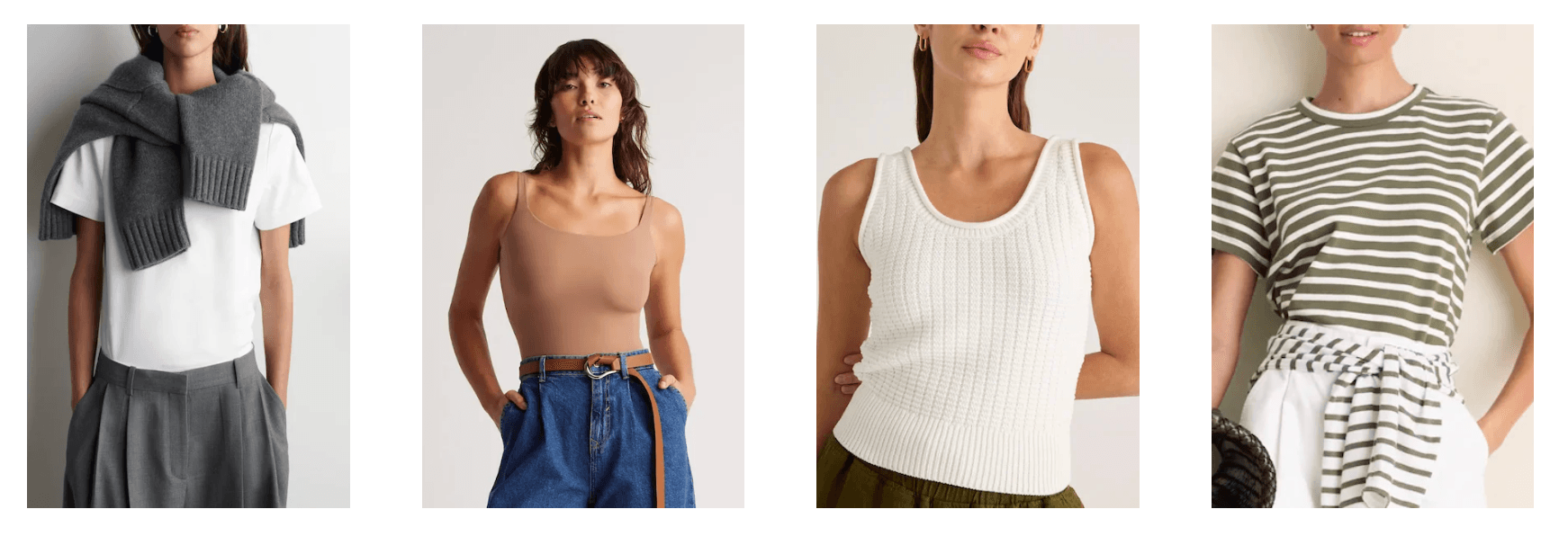
Tops (8–10)
Your everyday tees, tanks, and blouses, the pieces you’ll reach for most.
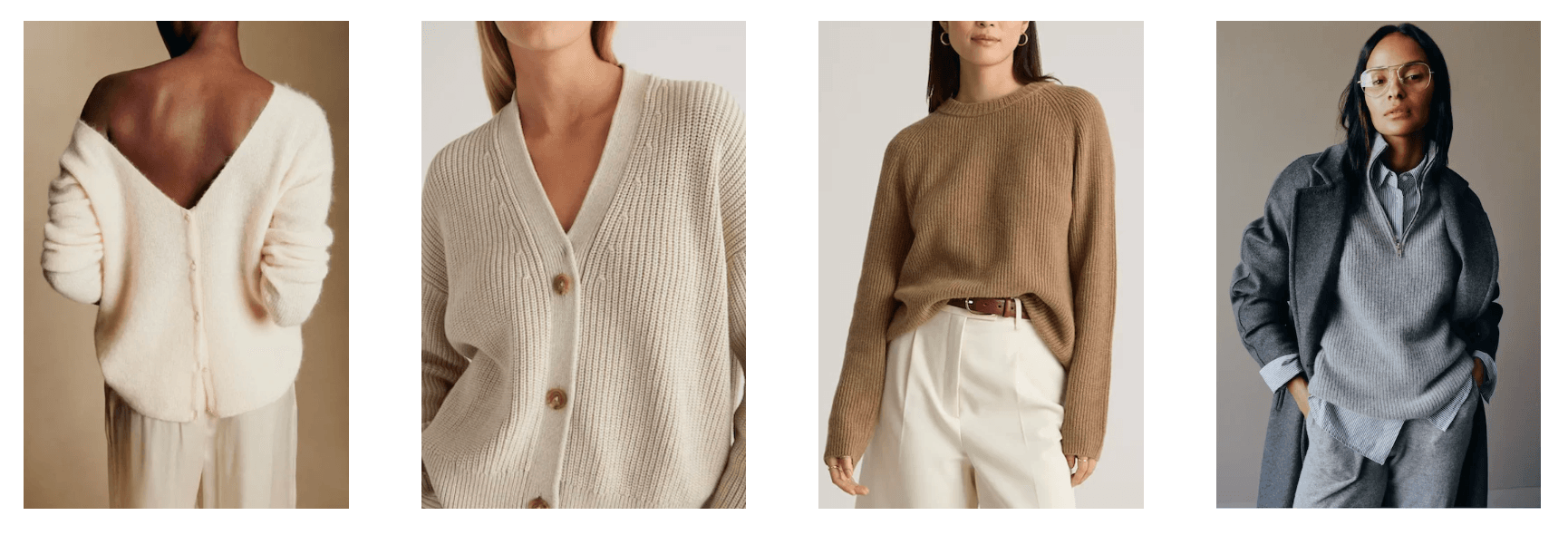
Sweaters & Cardigans (3–5)
Layering pieces for warmth and texture across the season.
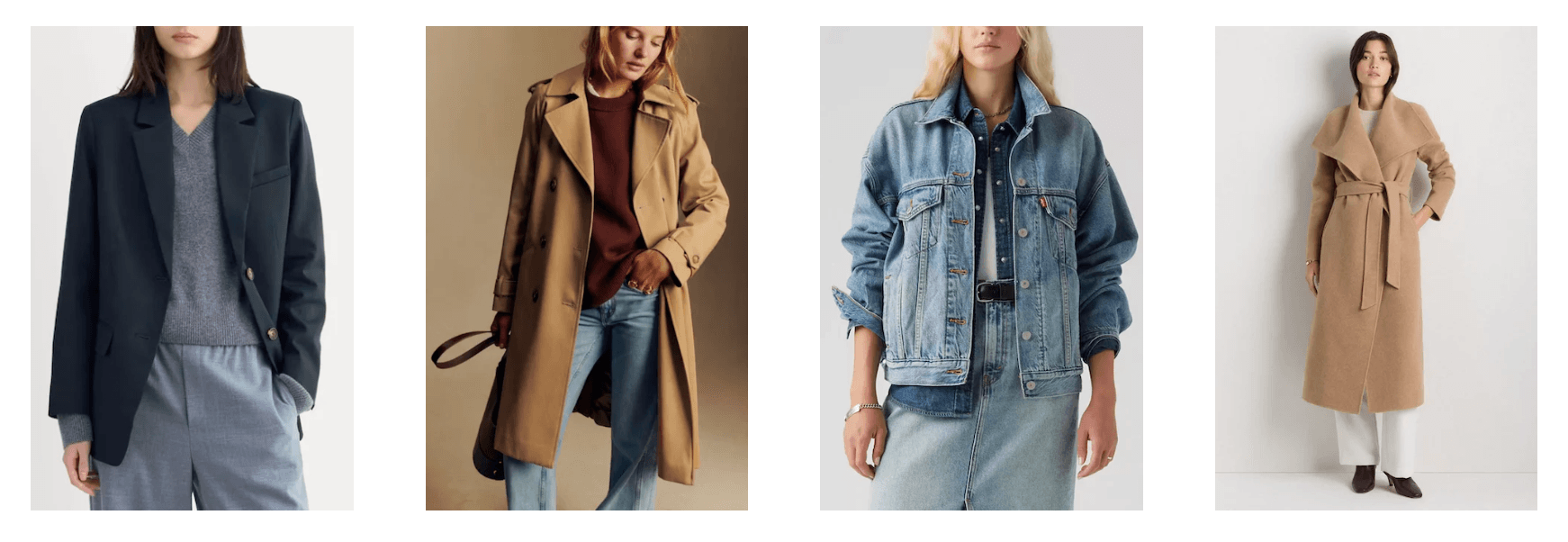
Outer Layers (3–4)
Jackets, coats, and blazers that pull an outfit together.
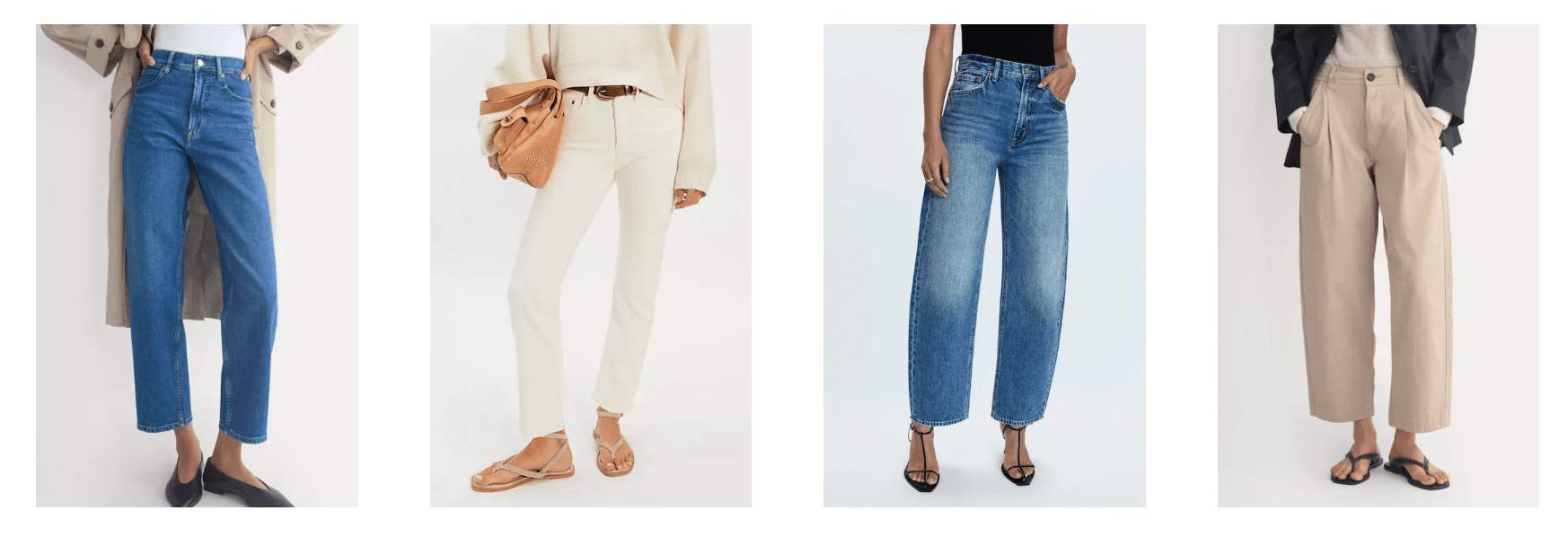
Bottoms (5–6)
Jeans, trousers, leggings, shorts, and skirts that anchor your outfits.
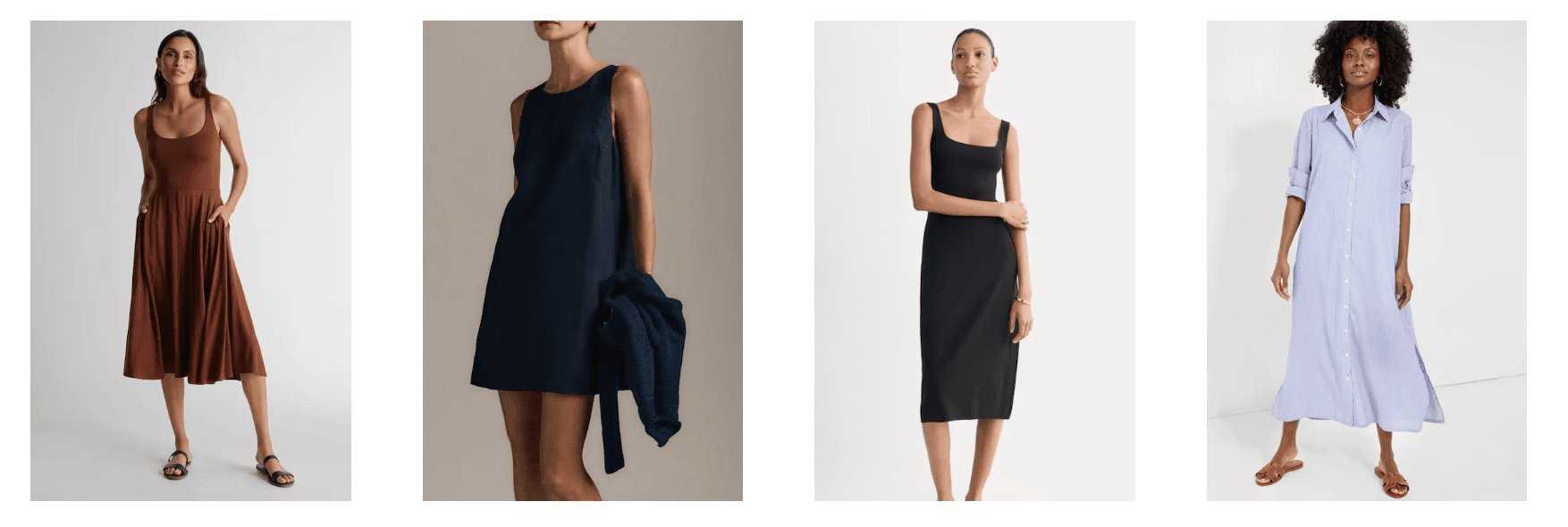
Dresses (2–3)
A great one-and-done option—but only if you wear them.
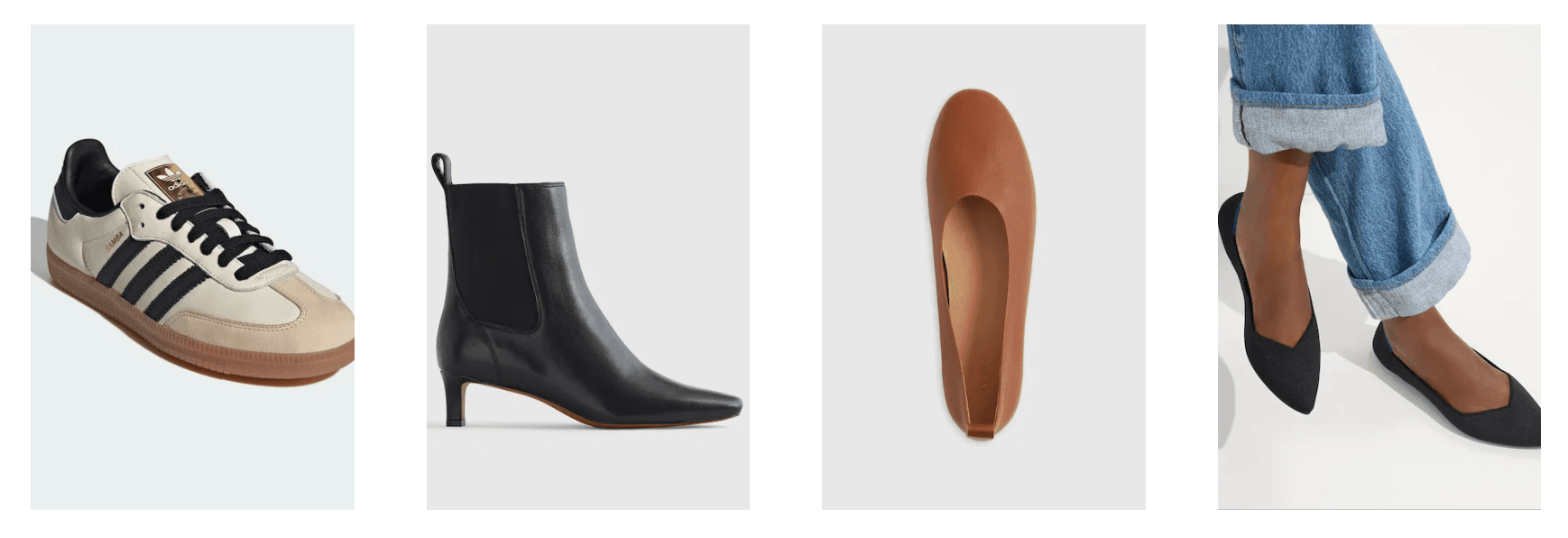
Shoes (4–5)
Comfortable, versatile pairs that work with most of your outfits—think neutral or white sneakers, black or brown ballet flats, a pair of nude heels, and some basic boots or sandals depending on the season.
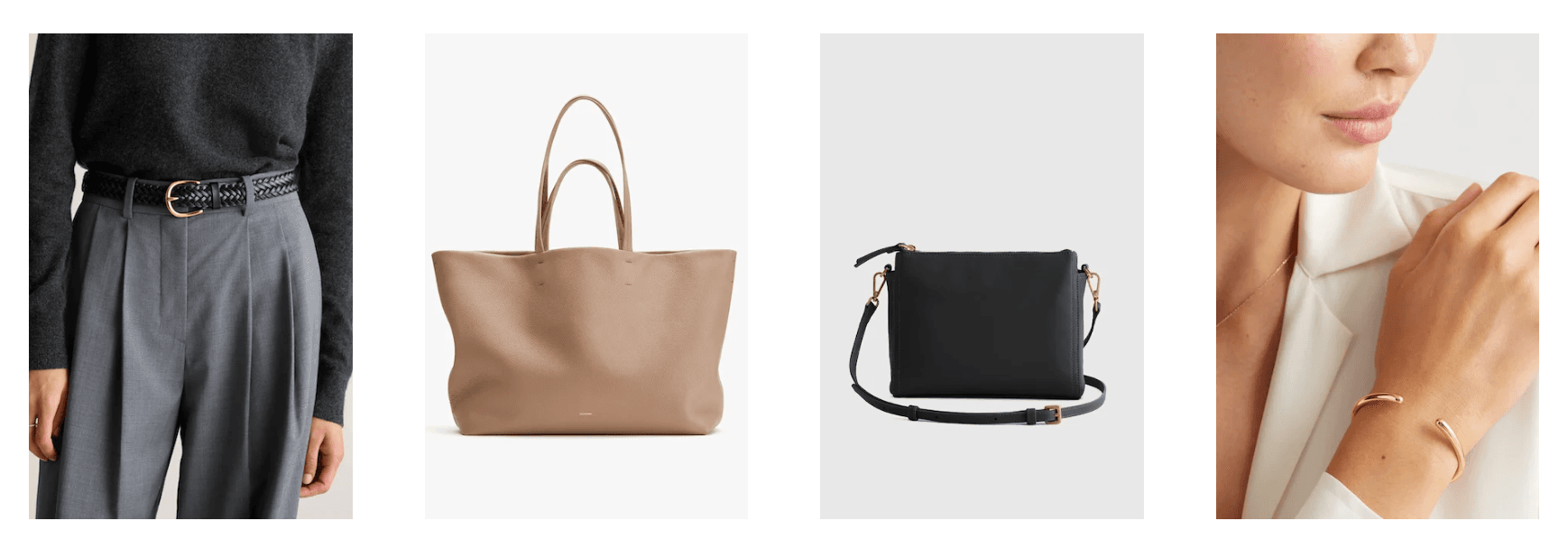
Accessories (5–7)
Belts, bags, and jewelry that add variety without adding clutter.
What About the Rest of Your Clothes?
Move the rest of your clothes to a different section of your closet, or another area of your home if you have the space and it’s not too much work.
If you find yourself reaching for something outside your capsule, just add it back into rotation. It’s part of the process of figuring out what items earn their place in your wardrobe.
Once you experience the ease of a smaller wardrobe, decluttering starts to feel more like a relief than a loss.
Frequently Asked Questions
How many clothes should be in a capsule wardrobe?
A capsule wardrobe commonly has anywhere from 30–40 items, but can have as many or as few as work for you.
Should I build a capsule wardrobe from scratch?
You can build a capsule wardrobe from scratch, but using the functional and versatile pieces you already own is more economical and environmentally friendly. Many people can create their first capsule wardrobe with the clothes they already own and later purchase other essential items to fill the gaps.
Do I need to declutter my closet before starting a capsule wardrobe?
No, and honestly, I recommend against it. Starting with a big declutter often creates more overwhelm, not less. Instead, pull out the pieces you already wear and love, build your capsule from those, and live in it for a while. Decluttering feels a lot easier once you know what you’re actually keeping.
Can a capsule wardrobe be trendy?
Your capsule wardrobe can have trendy items if they align with your personal style and lifestyle. Build a foundation with classic pieces and add on-trend pieces occasionally if they speak to you.
What items are included in a capsule wardrobe?
A capsule wardrobe typically includes everyday clothing: tops, bottoms, sweaters, dresses, outerwear, shoes, and accessories. Workout clothes, loungewear, pajamas, and swimwear are usually kept separate.