Among the many styles of the Vietnamese áo dài, the Raglan áo dài remains one of the most beloved. Combining traditional elegance with improved comfort and mobility, this design has become a classic choice for generations of Vietnamese women.
In this article, we'll explore what makes the Raglan áo dài unique, its history, and how to style it beautifully.
What Is a Raglan Áo Dài?
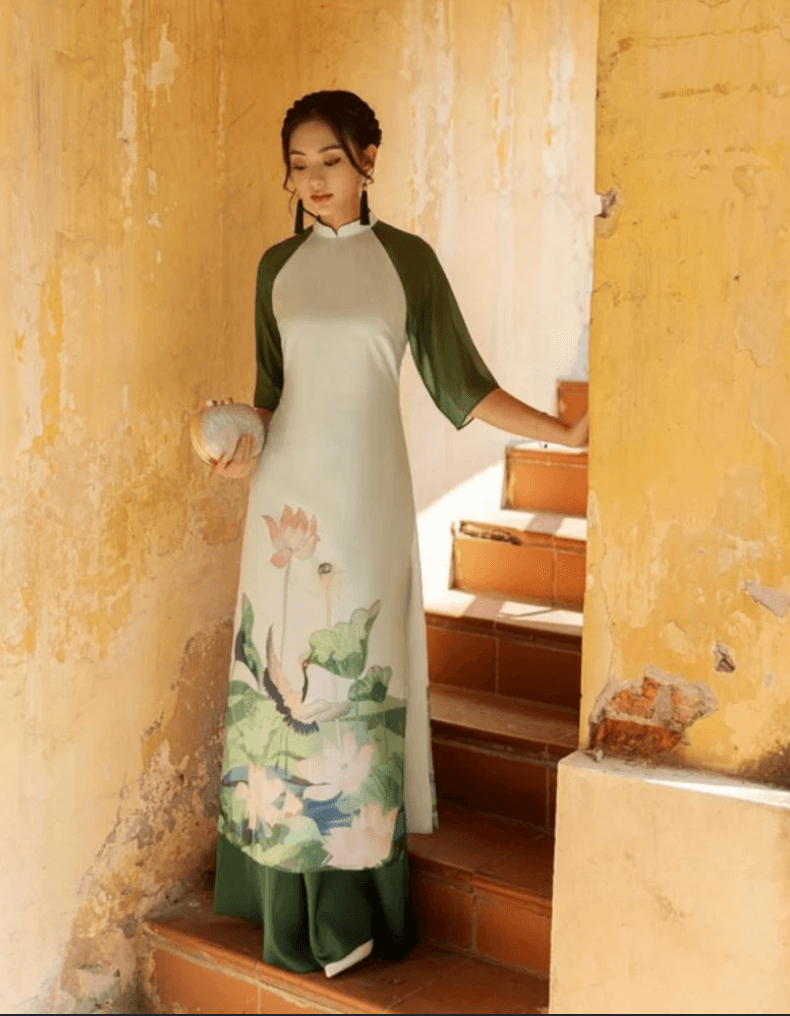
A Raglan áo dài is distinguished by its raglan sleeves, where the sleeve extends seamlessly from the neckline to the underarm, creating a diagonal seam instead of the traditional shoulder seam.
This construction offers several advantages:
- Greater freedom of movement
- A cleaner, more flattering silhouette
- Enhanced comfort for everyday wear
- A modern interpretation of Vietnam's traditional dress
Compared to conventional áo dài designs, the Raglan version fits the body more naturally while allowing the wearer to move with ease.
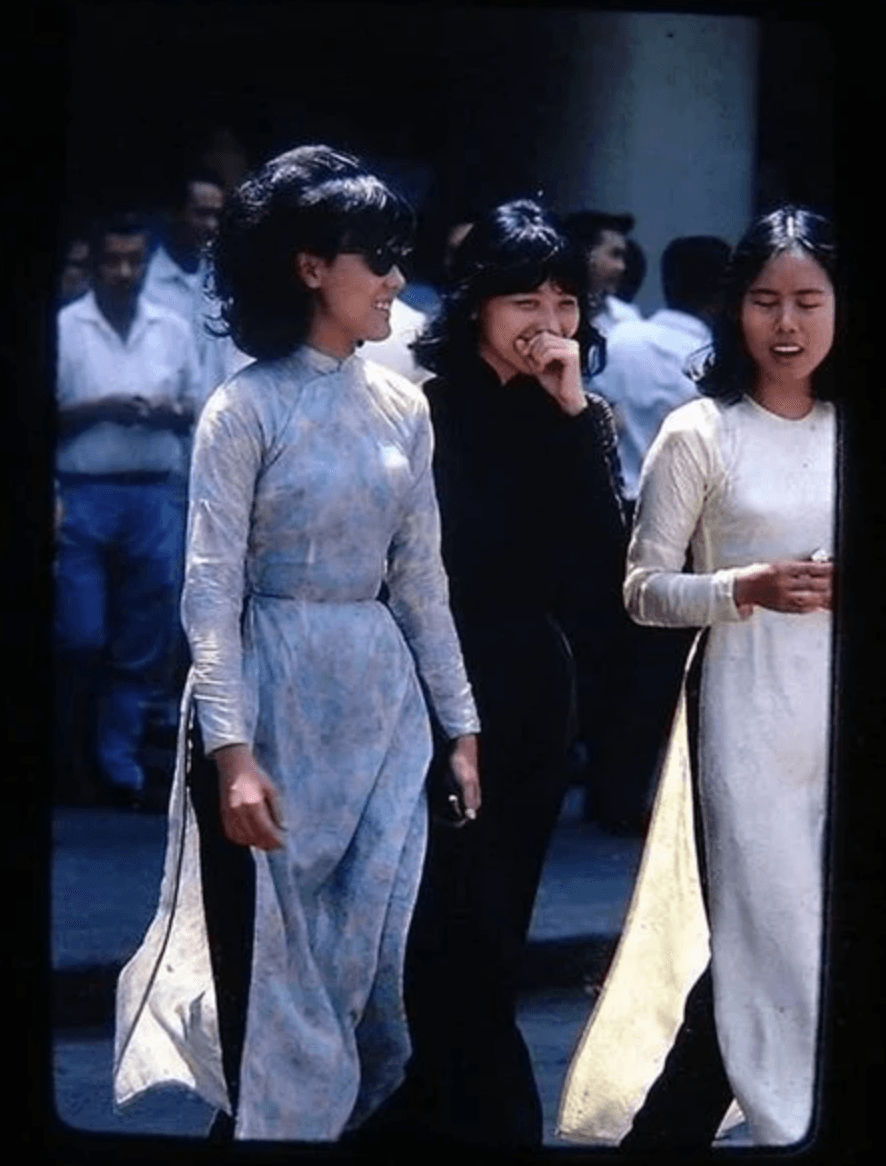
Some classic Raglan áo dài designs also feature:
- A diagonal shoulder seam at approximately 45 degrees
- Side snap buttons connecting the front and back panels
- A structured, slightly thicker collar
- A slim elastic waistband to create a flattering silhouette
The History of the Raglan Áo Dài
The Origin of Raglan Sleeves
The raglan sleeve originated in the West and was named after FitzRoy Somerset, the 1st Baron Raglan (1788–1855), a British military commander during the Crimean War.
After losing an arm in battle, Lord Raglan reportedly wore coats designed with sleeves extending from the collar rather than the shoulder, allowing greater mobility. This innovative sleeve construction eventually became known as the raglan sleeve and gained worldwide popularity.
How Raglan Sleeves Came to Vietnam
The raglan sleeve was introduced to Vietnam during the 1960s and 1970s.
At the time, Vietnamese women were looking for an áo dài that retained its graceful appearance while offering improved comfort for everyday activities. The raglan construction met these needs perfectly and was quickly embraced by designers and wearers alike.
Since then, the Raglan áo dài has become one of the most iconic variations of Vietnam's national dress.
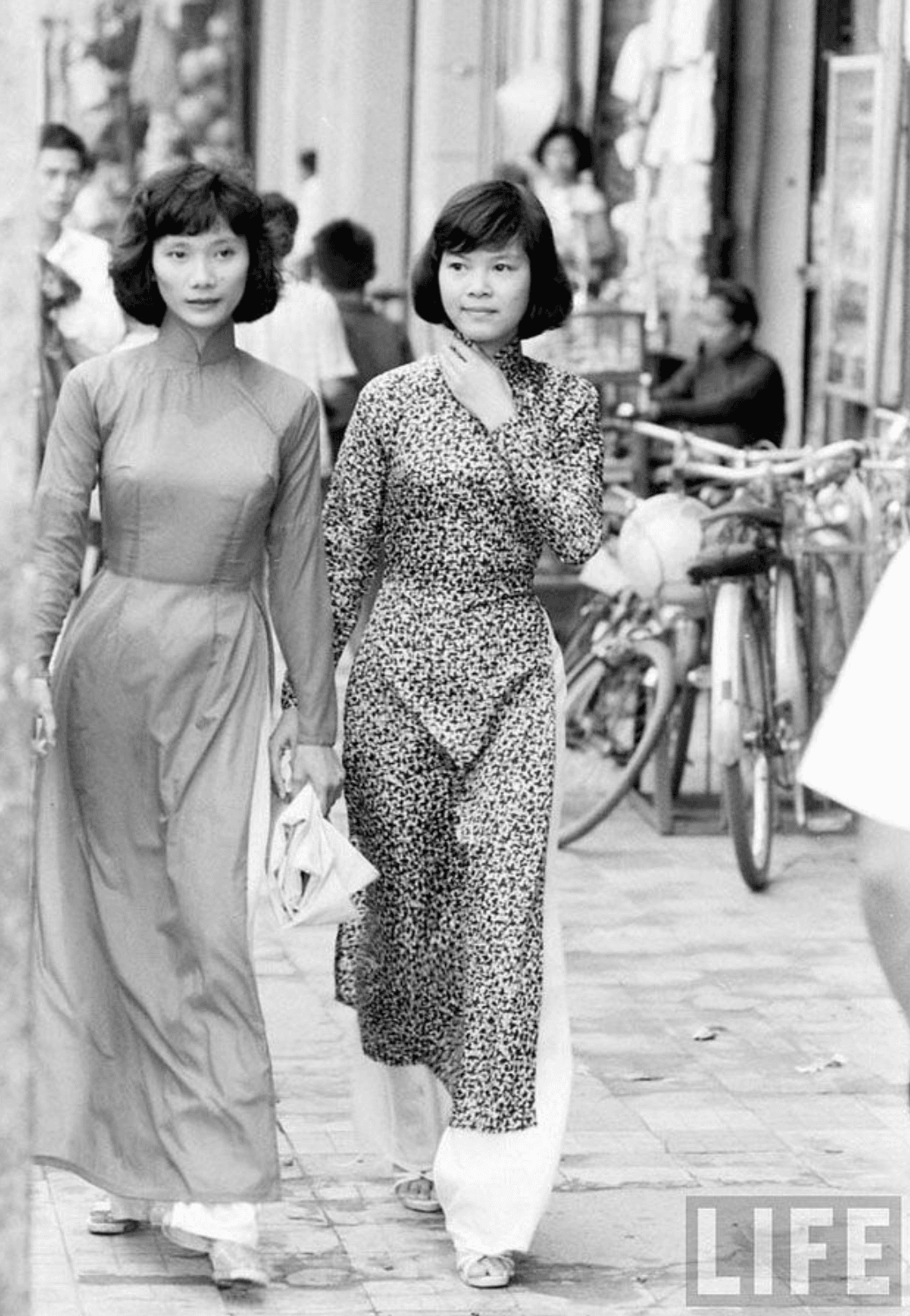
Evolution Through the Years
Over the decades, the Raglan áo dài has continued to evolve alongside changing fashion trends.
Earlier designs were typically crafted from luxurious traditional fabrics such as:
- Silk
- Brocade
Modern interpretations now embrace a wider variety of materials, including:
- Chiffon
- Lace
- Linen
- Cotton blends
- Stretch fabrics
Designers have also introduced contemporary cuts, patterns, and decorative details while preserving the timeless elegance that defines the áo dài.
Today, the Raglan áo dài effortlessly bridges traditional Vietnamese heritage with modern fashion.
Choosing the Right Pants for a Raglan Áo Dài
One of the strengths of the Raglan áo dài is its versatility. Here are several popular styling options:
Classic Silk Pants
Simple silk trousers in white, black, or a matching tone remain the most traditional and elegant pairing.
Wide-Leg Pants
For contemporary Raglan áo dài designs, neutral-colored wide-leg pants in beige, cream, or pastel shades create a sophisticated modern look.
Bold-Colored Pants
If your áo dài features a minimal pattern, vibrant-colored trousers—such as red, yellow, or royal blue—can create an eye-catching contrast and add personality.
Hairstyles That Complement a Raglan Áo Dài
The Raglan áo dài works beautifully with a variety of hairstyles.
Soft Loose Waves
Natural, loose waves create a romantic and modern appearance that pairs perfectly with contemporary áo dài designs.
Low Bun
A sleek low bun exudes elegance and refinement. Pair it with pearl hair accessories or a silk scarf for an elevated look.
Side Braid
A loose side braid or softly braided bangs enhance youthful Raglan áo dài styles while maintaining a feminine aesthetic.
Why the Raglan Áo Dài Remains Popular
The Raglan áo dài has stood the test of time because it successfully balances heritage, comfort, and contemporary style. Its distinctive sleeve construction not only improves mobility but also creates a graceful silhouette that flatters a wide range of body types.
Whether worn for Lunar New Year celebrations, weddings, cultural events, or formal occasions, the Raglan áo dài continues to represent the beauty of Vietnamese tradition while adapting seamlessly to modern fashion.
Editor's Note: While the raglan sleeve originated in Europe, the Raglan áo dài has evolved into a uniquely Vietnamese interpretation, demonstrating how traditional craftsmanship can thoughtfully incorporate global design influences without losing its cultural identity.